History and Development
Kampot has a rich history shaped by centuries of trade and cultural exchange, from the early Funan and Chenla periods to its rise as an important seaport in the 19th century. Under French rule from 1863, the town developed a distinctive colonial character, much of which can still be seen in its historic architecture today. Despite the hardships of the Khmer Rouge era, Kampot has gradually recovered and is now a peaceful provincial center known for its heritage and relaxed way of life.
Economy and Agriculture
Agriculture is at the heart of Kampot’s economy, with pepper and salt production playing an important role. Famous for its distinctive aroma and rich flavor, Kampot pepper received Protected Geographical Indication (PGI) status in 2010, recognizing its unique quality and reputation. Along the coast, traditional salt fields continue to produce a significant share of Cambodia’s domestic salt supply, preserving an important part of the province’s agricultural heritage.
Tourism and Attractions
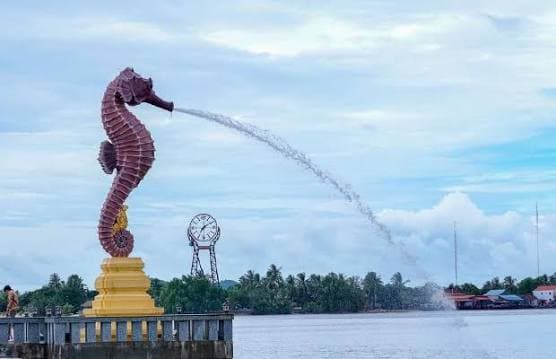
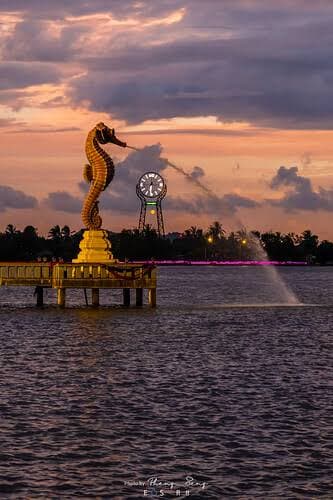
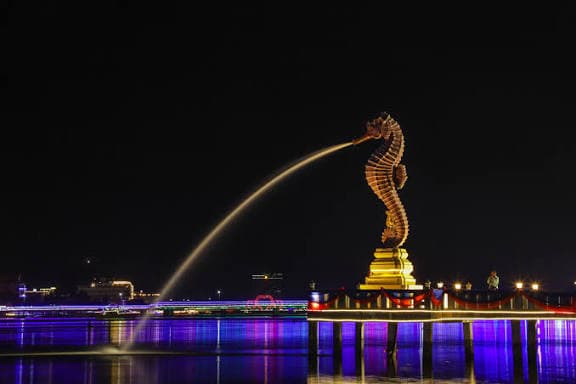
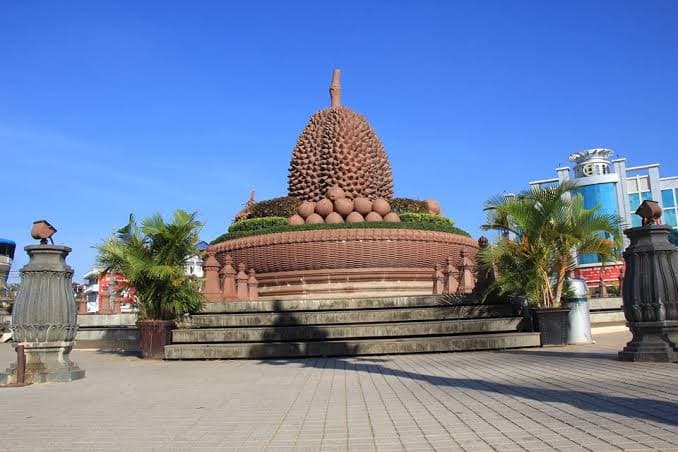
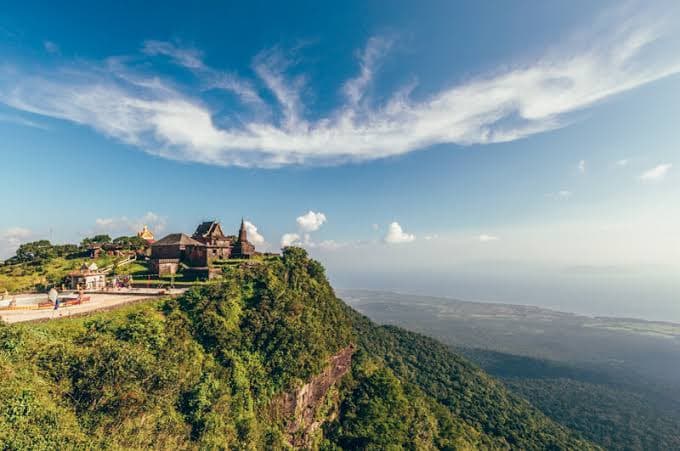
Kampot has become a popular destination for travelers, known for its peaceful riverside atmosphere, charming colonial architecture, vibrant cafés, and outdoor adventures. Popular attractions include Bokor Hill Station in Preah Monivong National Park, Phnom Chhngok Cave Temple, and relaxing sunset cruises along the Kampot River. Visitors can also explore nearby Kep or visit famous pepper farms such as La Plantation and Sothy’s Farm to experience the region’s rich agricultural heritage.
Modern Development
Kampot has experienced steady development in recent years, supported by improved roads and infrastructure that have made travel, business, and investment more accessible. While welcoming new opportunities and economic growth, the province continues to preserve its peaceful atmosphere, natural beauty, and unique cultural character.