Historical Background
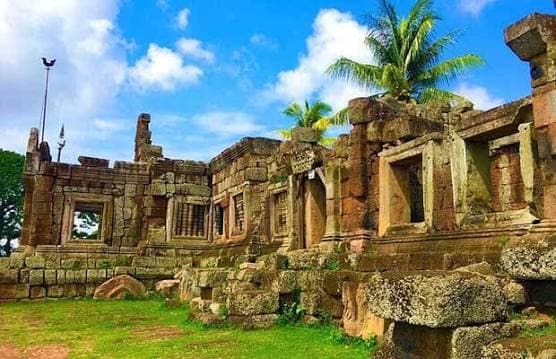
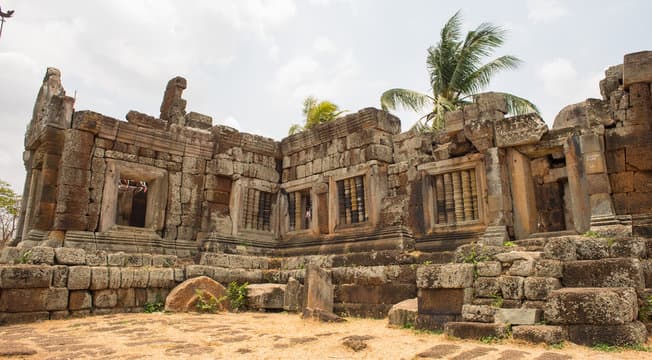
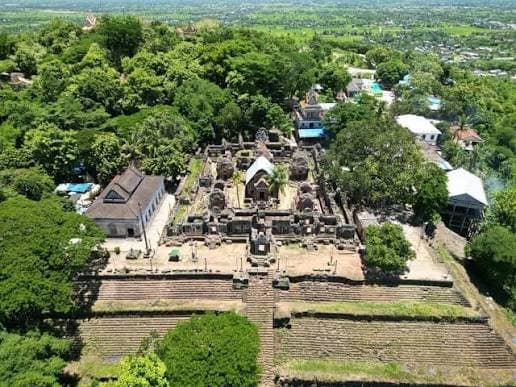
Originally known as Sri Suryaparvata, meaning “Mountain of the Sun,” the temple was dedicated to the Hindu gods Shiva and Vishnu. Built with laterite, brick, and beautifully carved sandstone, it reflected King Suryavarman I’s religious devotion and royal authority. Over the centuries, the site continued to serve as a place of worship, with later Buddhist additions, including a modern pagoda, reflecting Cambodia’s rich and evolving spiritual heritage.
Architecture and Layout
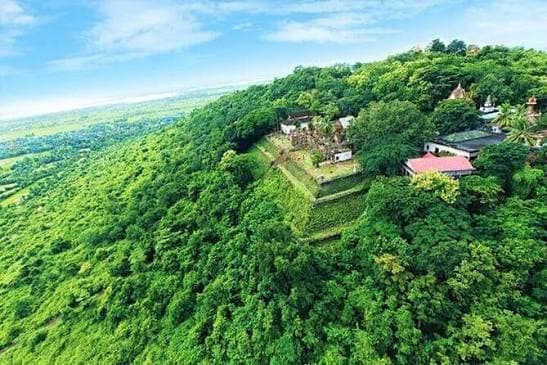
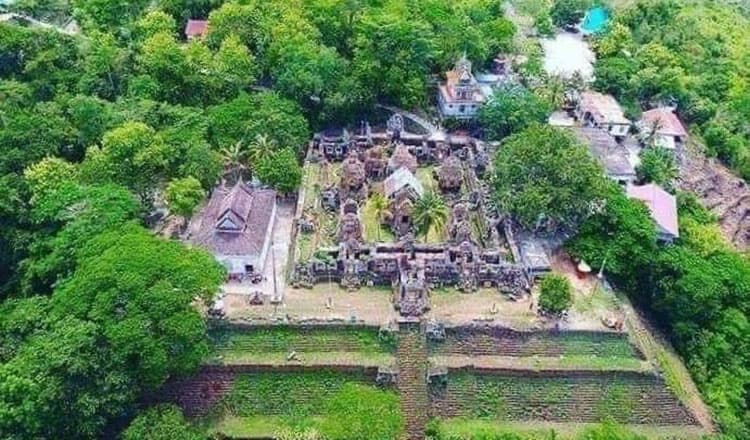
The rectangular temple complex measures about 60 by 50 meters and is surrounded by two layers of galleries. Visitors climb steep stairways to reach the summit, with 390 steps on the west side and 408 on the south. At the top are the remains of sanctuaries, libraries, and a central tower that once housed a sacred linga. The carefully planned layout connects the temple with nearby shrines and the sacred Tonle Om reservoir, reflecting the Khmer belief in harmony between land and water.
Cultural Significance
Beyond its historical and archaeological value, Phnom Chisor remains an important place of worship, especially during major Buddhist festivals. The temple’s blend of Hindu and Buddhist traditions reflects Cambodia’s rich spiritual heritage and the lasting legacy of the Angkorian era.
Visiting Experience
Located about 60 kilometers south of Phnom Penh, Phnom Chisor is an ideal day trip offering beautiful views across Takeo Province after a rewarding climb to the summit. The site is open daily from 7:30 a.m. to 5:00 p.m. and requires a small entrance fee. Visitors can find refreshments at the foot of the hill and a peaceful Buddhist pagoda at the top, where monks continue to worship. As an active place of worship, visitors should dress modestly, bring plenty of water, and respect local traditions.