Architecture and Design

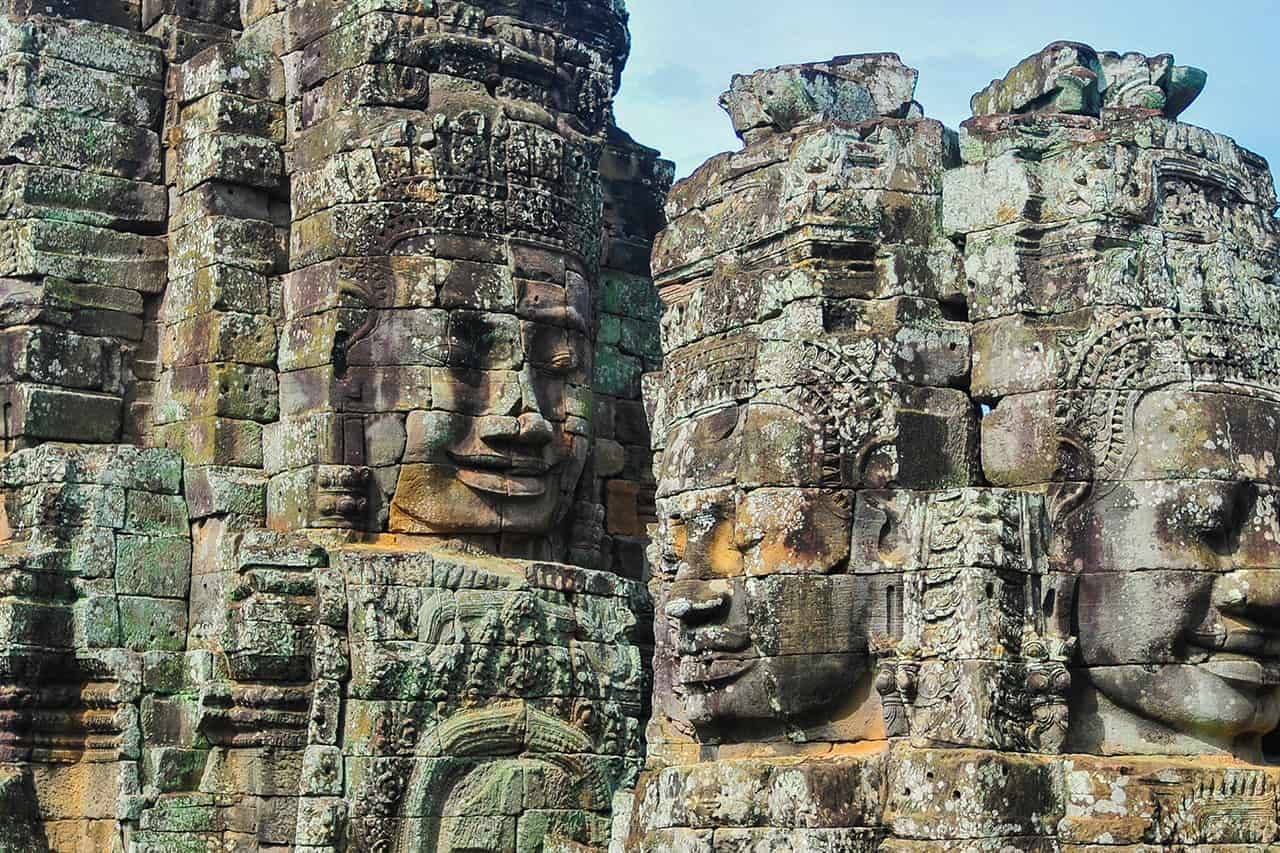
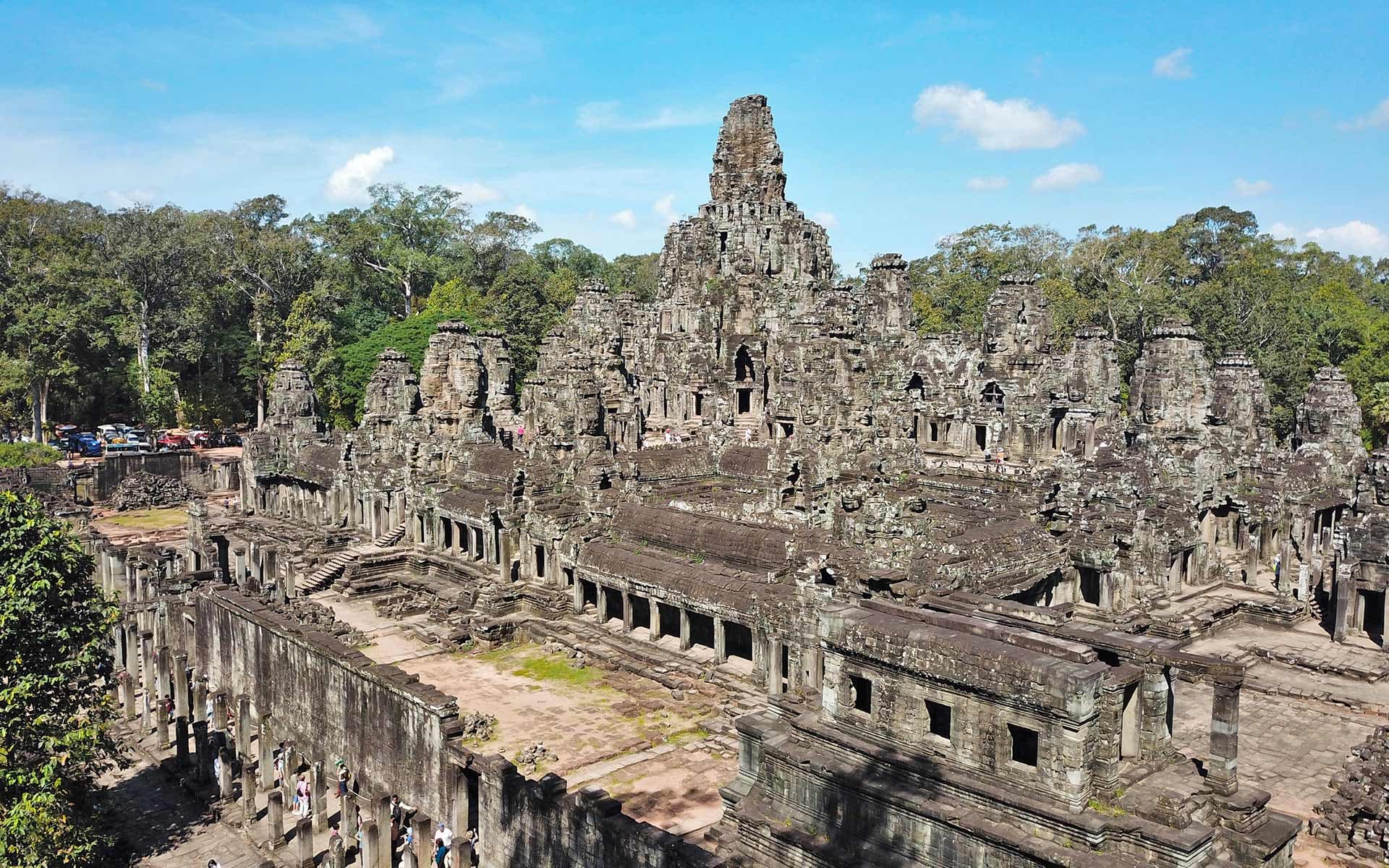
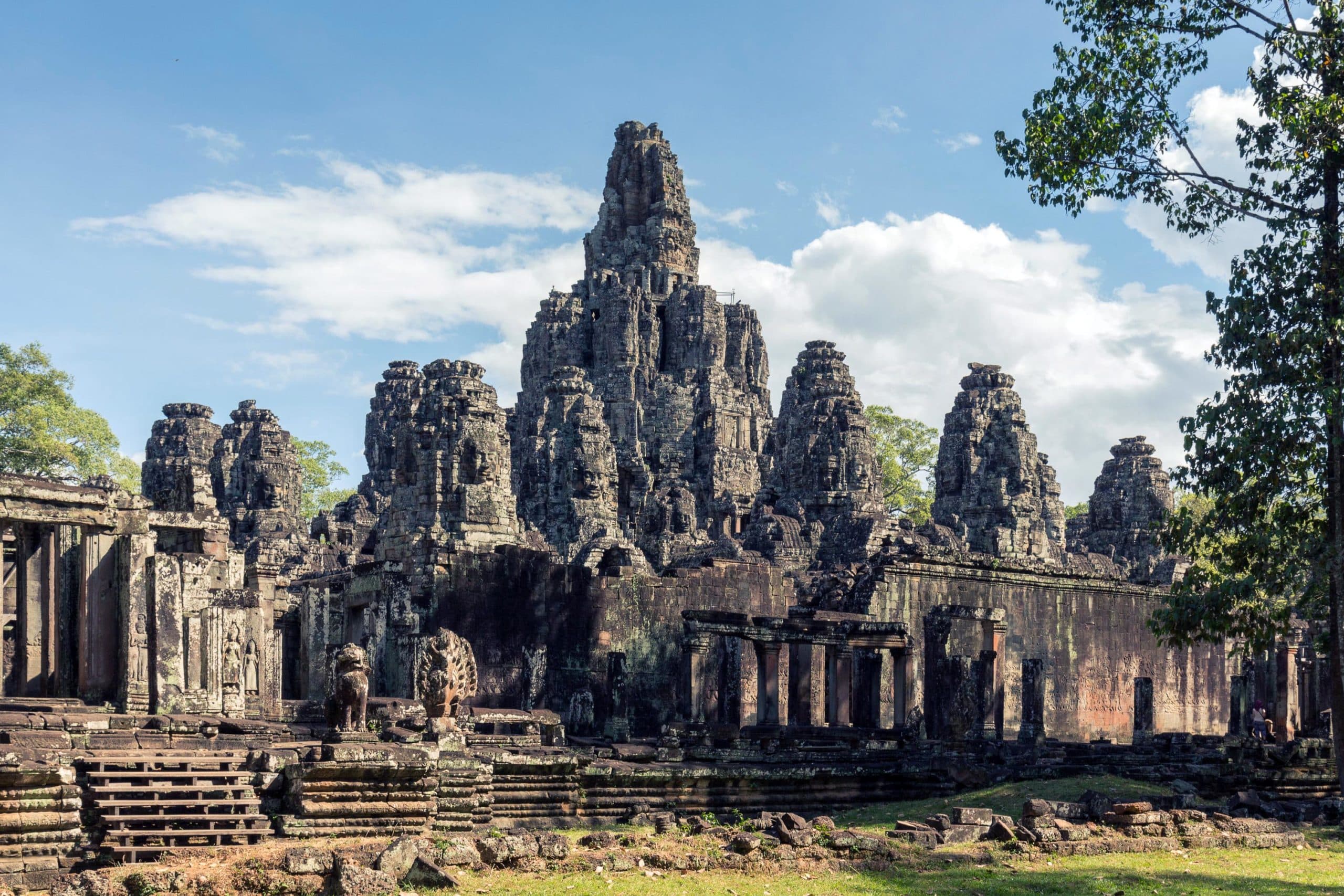
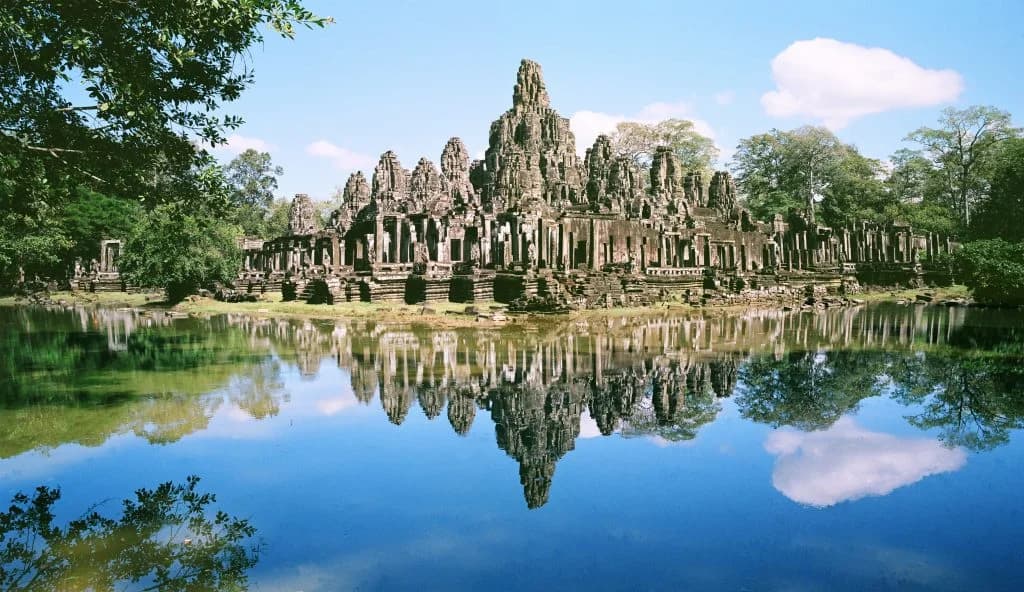
Bayon has a unique maze-like layout of narrow corridors and towering structures. Its most famous features are the serene stone faces gazing in every direction and the detailed bas-reliefs that depict scenes of daily life, battles, and traditional Khmer stories.

Historical Significance

As the spiritual heart of Angkor Thom, Bayon was one of the most important religious monuments of its time. Originally built as a Buddhist temple, it later incorporated Hindu elements, reflecting the changing religious traditions of the Khmer Empire.

Preservation

Because the temple’s sandstone is fragile, experts from Japan and Cambodia work together to protect its intricate carvings and architecture. Their ongoing conservation efforts help preserve this important cultural landmark for future generations. As part of the Angkor complex, it is also recognized as a UNESCO World Heritage site.

Visitor Tips

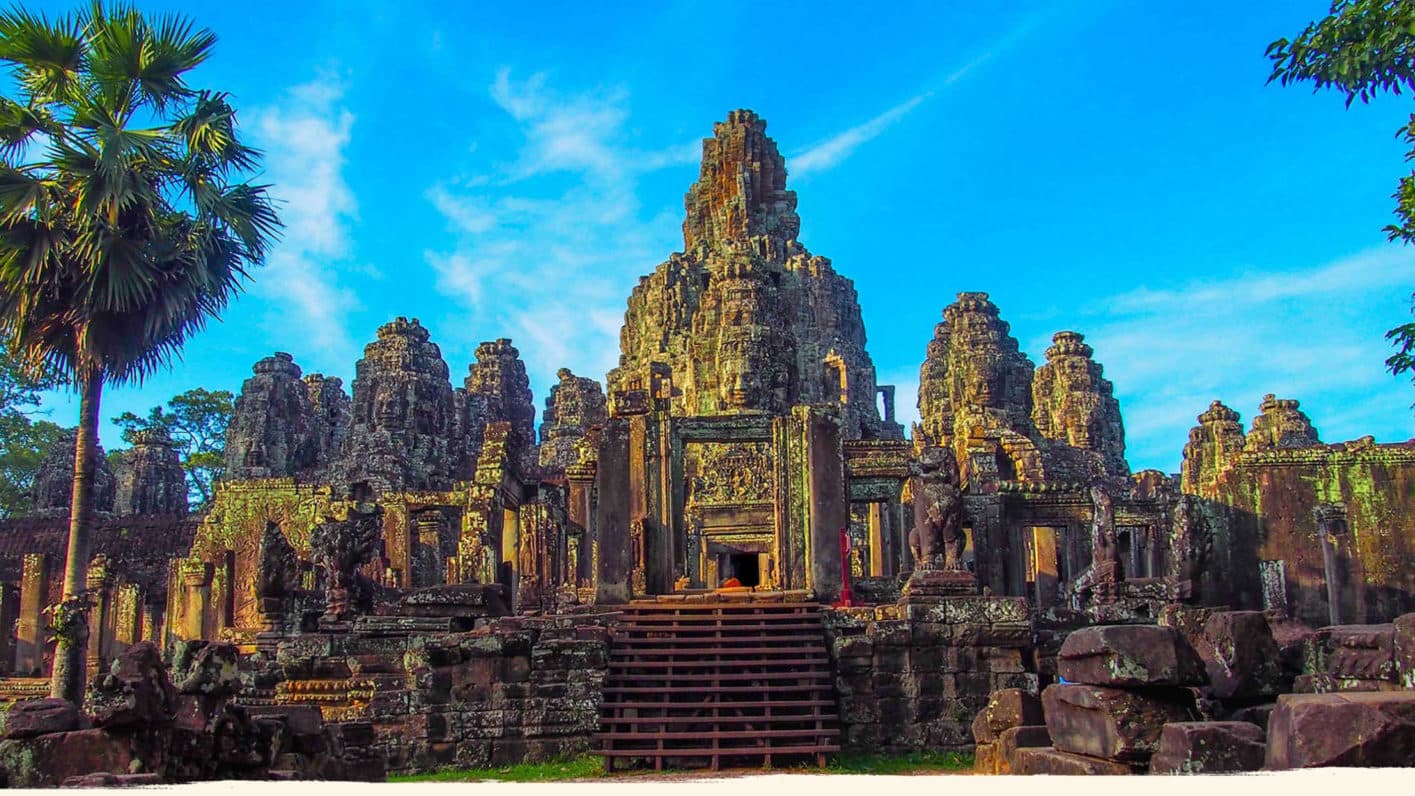
Best Time: Visit in the early morning or late afternoon when the soft golden light brings out the beauty of the stone faces and creates excellent photo opportunities.
Opening Hours: Open daily from 7:30 AM to 5:30 PM. An Angkor Pass is required.
Keep an Eye on Your Belongings: Monkeys are common around the temple and may try to grab food or personal items, so keep your belongings secure.