History and Setting
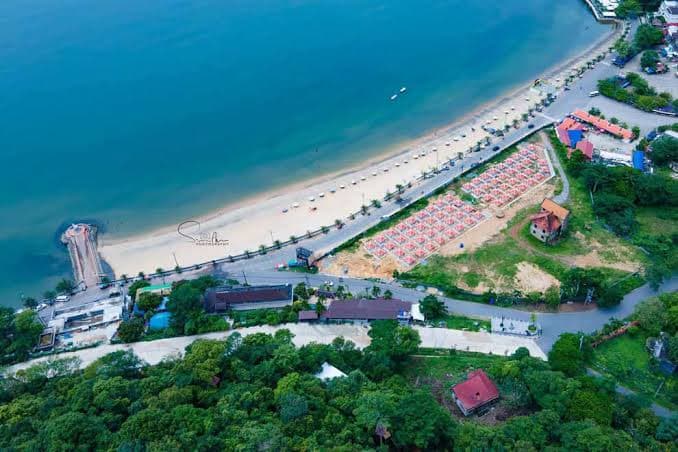
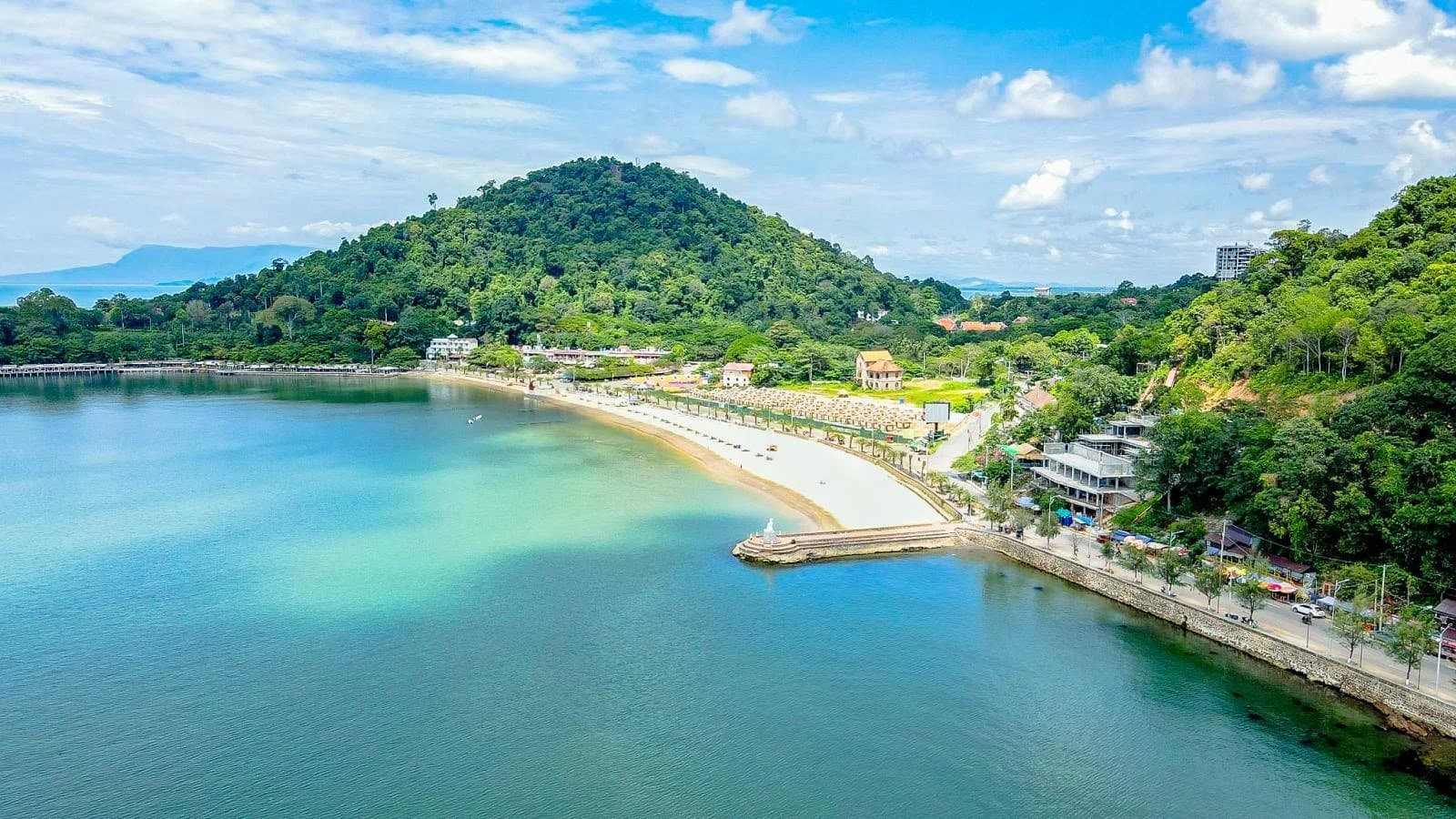
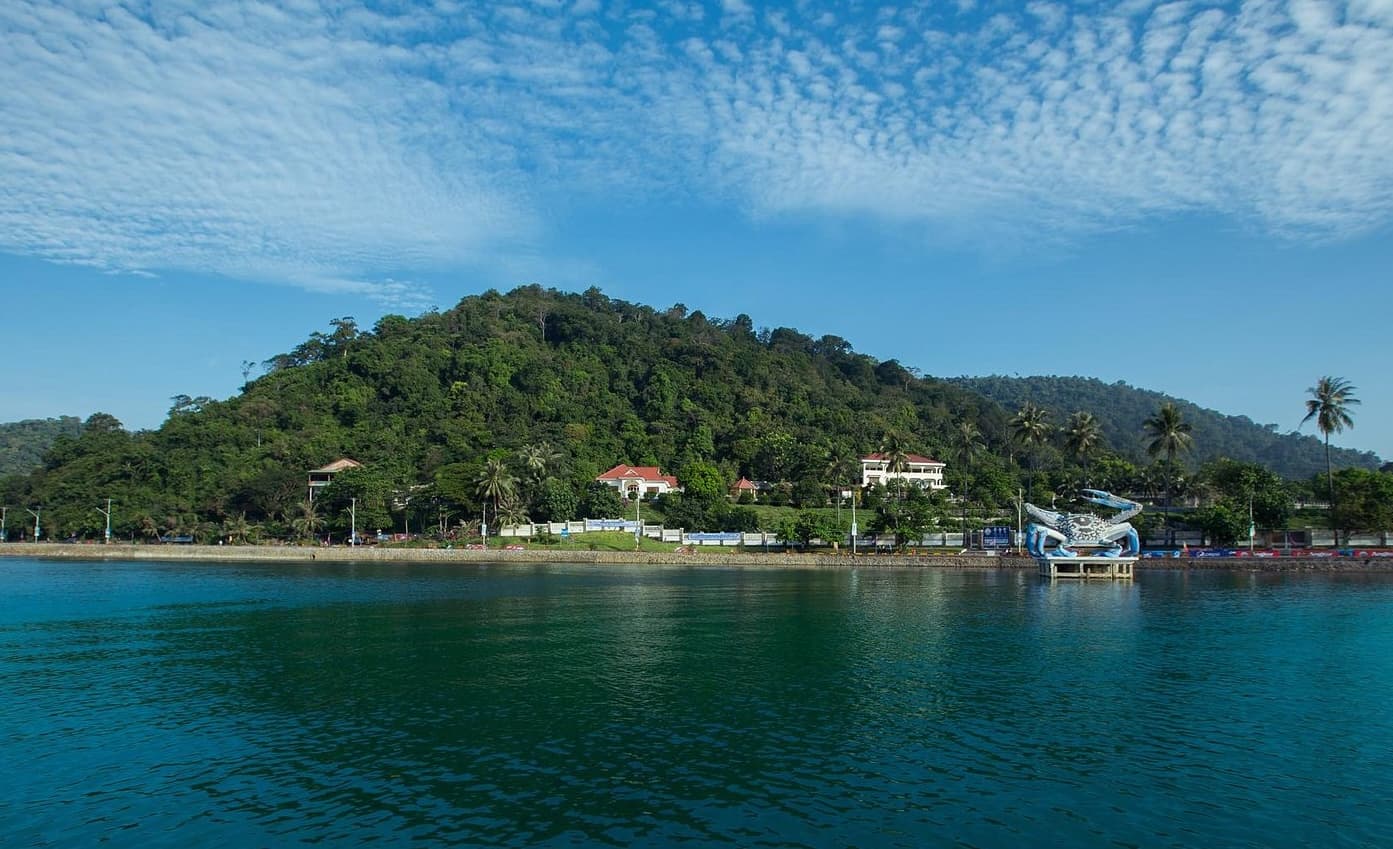
Kep was founded in 1908 during the French colonial period as Kep-sur-Mer, becoming a popular seaside retreat for Cambodia’s royal family and elite. Once known for its elegant villas and relaxed coastal lifestyle, Kep still preserves several distinctive mid-century buildings, including works associated with architect Vann Molyvann, although many were abandoned during the Khmer Rouge era. Today, Kep is known for its peaceful coastline, forested hills, salt fields, and beautiful offshore islands.
Attractions and Activities
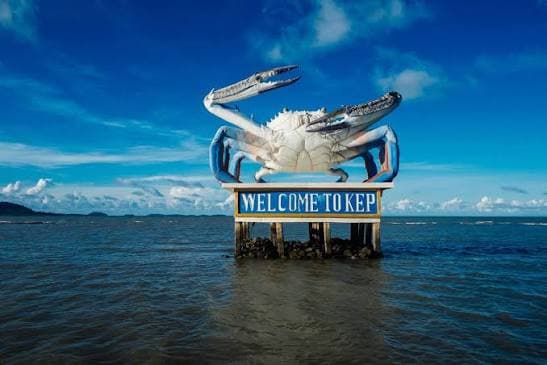
Kep is famous for its lively Crab Market, where visitors can enjoy fresh seafood, especially blue swimmer crab cooked with fragrant Kampot pepper. Nearby, Kep Beach offers a relaxing seaside setting, while Kep National Park provides scenic jungle trails, viewpoints, and beautiful coastal views. For a quieter escape, visitors can take a short boat trip to Koh Tonsay (Rabbit Island), known for its simple bungalows, clear waters, and peaceful beaches.
Economy and Tourism
Kep’s economy is mainly supported by fishing, salt production, agriculture, and tourism. In recent years, the town has embraced eco-tourism and boutique resorts while preserving its peaceful coastal character. Visitors are drawn to its fresh seafood, scenic cycling routes, and colonial heritage, making Kep a charming destination for a relaxed seaside getaway.
Access and Atmosphere
Kep is easily accessible by road, about four hours from Phnom Penh and just 30 minutes from Kampot. Despite its growing popularity, it has preserved its peaceful, welcoming, and close-knit atmosphere. With fresh seafood, colonial heritage, and beautiful coastal scenery, Kep remains one of Cambodia’s most charming seaside destinations.